
What Spirit Airlines’ Shutdown Reveals About Supply Chains
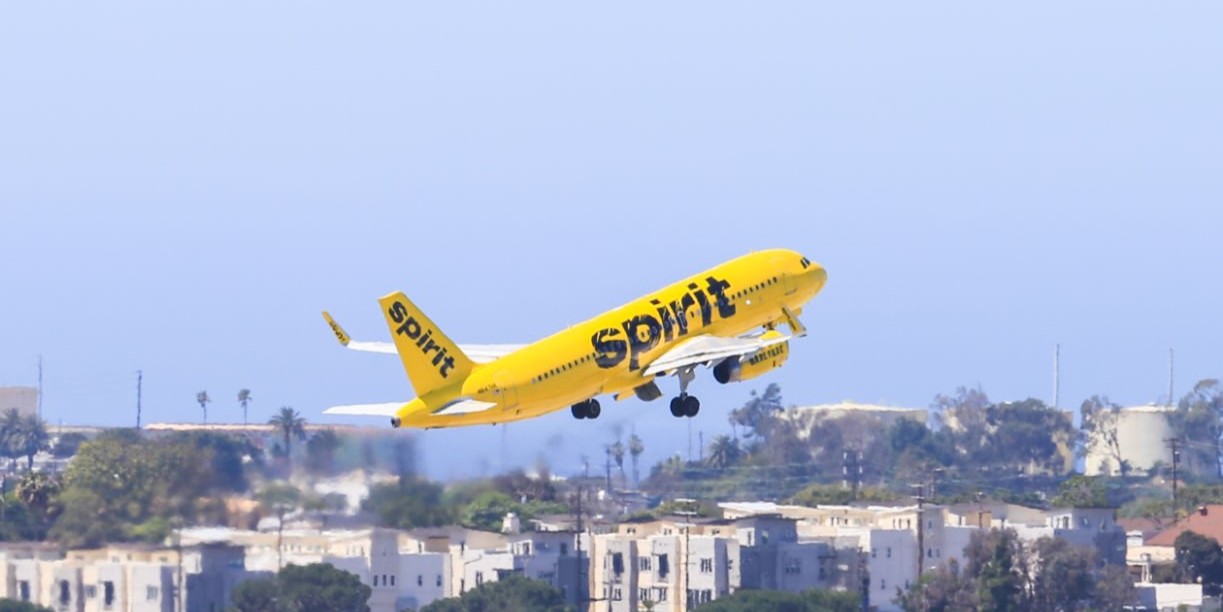
The announcement that Spirit Airlines ceased operations on May 2, 2026 serves as more than just a major development within the airline industry. It also offers an important case study in how highly optimized operating networks respond when market conditions shift faster than the business model can adapt.
For years, Spirit Airlines helped reshape air travel by proving that a simplified, low cost operating structure could successfully expand demand and influence pricing across the industry. The company built its model around efficiency, dense scheduling, high asset utilization, and cost conscious consumers. In stable conditions, that formula allowed the airline to compete aggressively and carve out a significant position in the market.
However, highly optimized systems often depend on a narrow set of operating assumptions. When economic conditions, consumer behavior, pricing pressure, or operational realities begin changing faster than the network can adjust, those efficiencies can quickly become constraints.
While Spirit was not considered a major cargo carrier, the shutdown still has broader implications for transportation and supply chain networks. Any reduction in available transportation capacity can create ripple effects throughout the market as remaining providers absorb additional demand and rebalance operations.
Historically, when capacity contracts across a transportation network, several trends tend to follow. Routing flexibility becomes more limited. Transportation costs begin rising and move downstream through the supply chain. Transit times become less predictable, and lead time variability increases.
The larger issue, however, is predictability.
When predictability declines, operational behavior changes across the supply chain. Companies increase inventory levels to create buffer stock. Ordering patterns shift. Distribution strategies are reevaluated. Planning cycles become more conservative as organizations attempt to reduce exposure to uncertainty.
These challenges are placing increased pressure on operating models that were originally designed for stable, highly efficient conditions. Businesses across transportation, logistics, and supply chain management are now being forced to evaluate not only whether their networks are optimized, but whether they are flexible enough to adapt when conditions rapidly change.
The conversation is no longer simply about efficiency. It is about resilience, adaptability, and the ability to respond before optimization itself becomes a limitation.
Read the full article for additional analysis on how transportation network disruptions continue shaping supply chain strategy and operational decision making.
